
Table of Contents
- Cost of DIY LPA vs Professional: The Two Routes Compared
- The LPA Registration Fee: The One Cost You Cannot Avoid
- DIY LPA Preparation: What It Saves and What It Leaves Out
- Professional Preparation Costs: What the Fee Actually Covers
- LPA Application Mistakes That Turn a Saving Into a Cost
- How Long Does an LPA Take, and Why Time Is Part of the Cost
- Which Route Fits Your Circumstances? A Decision Framework
- Frequently Asked Questions
Last Updated: October 20, 2026
Cost of DIY LPA vs Professional: The Two Routes Compared
The cost of DIY LPA preparation versus professional support comes down to a simple split: the registration fee paid to the Office of the Public Guardian is fixed, while everything else is optional. At Arrange My LPA, we see the same pattern repeatedly. The application fee is identical whoever prepares the paperwork. What changes is who checks it, and what happens when something is wrong.
Below, we break down both routes honestly, including the costs that rarely make it into the headline figure. Our view is straightforward: DIY suits simple estates and confident form-fillers. It costs more than people expect when something goes wrong.
What You Are Actually Paying For
Every lasting power of attorney involves two separate cost layers. The first is the LPA registration fee, a statutory charge set by the OPG. The second is preparation: either your own time, or a professional’s fee.
Most cost comparisons blur these together. That is a mistake, because only one of them is negotiable.
- Registration fee: set by government, paid per LPA
- Preparation cost: zero for DIY, variable for professional help
- Correction cost: the hidden layer when an application fails
The LPA Registration Fee: The One Cost You Cannot Avoid
The registration fee applies whether you prepare the forms yourself or pay a solicitor. The OPG charges it per document, so making both a property and financial affairs LPA and a health and welfare LPA means paying twice.
Fees are reviewed periodically, so always confirm the current amount on the official OPG fee guidance before budgeting. We recommend checking at the point of application, not months in advance.
Fee Remission and Exemption: Check Before You Pay
A lower income or certain means-tested benefits may qualify the donor for a reduced fee or full exemption. The OPG publishes the current thresholds, and they change. Rather than guess, work through the OPG fee remission criteria directly. If you qualify, the saving applies equally to DIY and professional routes.
DIY LPA Preparation: What It Saves and What It Leaves Out
DIY LPA preparation saves the professional fee entirely. You download the forms, complete them yourself, and submit to the OPG. The saving is real, and for a straightforward single LPA it can be substantial.
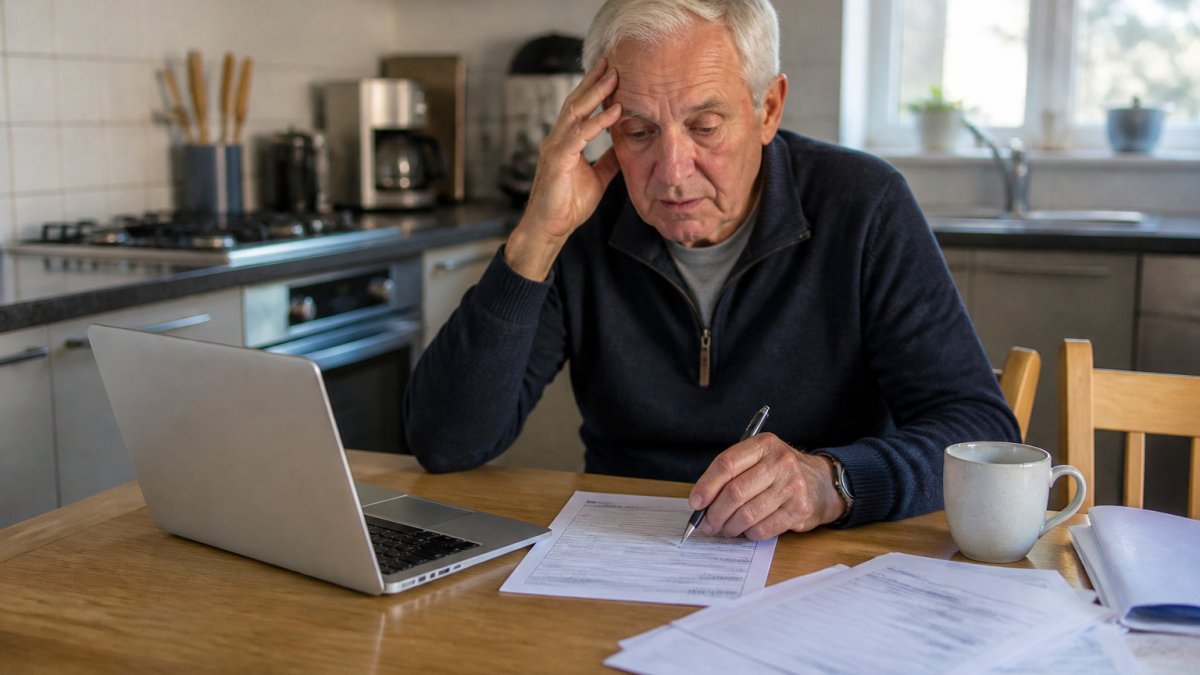
What it leaves out is scrutiny. Nobody checks that your certificate provider section is correctly completed, that your attorneys are appointed in the right order, or that your preferences are worded clearly. Common mistakes include:
- Missing or invalid certificate provider signatures
- Attorneys signing in the wrong sequence
- Incorrectly completed replacement attorney sections
- Instructions that conflict with the prescribed form
A rejected application usually means paying the registration fee again after correction. The saving disappears fast when a single missed signature forces a resubmission.
Professional Preparation Costs: What the Fee Actually Covers
Professional preparation fees vary widely, and any provider who quotes a single figure without asking about your circumstances is guessing. What matters more than the headline number is what the fee actually includes, and what it does not.
A properly itemised professional quote should separate the following:
- Preparation and advice: the time spent taking instructions, drafting the LPA, and reviewing the completed form with you
- Certificate provider arrangements: whether the provider helps identify a suitable certificate provider or leaves that to you
- Registration fee: the OPG charge, which is the same whether you use a professional or not, confirm whether it is included or added on top
- VAT: most professional fees attract VAT at the standard rate; ask whether quoted figures are inclusive
- Submission and follow-up: who submits the application and who handles OPG queries if they arise
- Amendments and corrections: whether fixing an error after submission is covered or billed separately
A common pattern is for low headline quotes to exclude VAT, registration fees, and post-submission support. The true cost then emerges only when the OPG raises a query or the certificate provider section needs rework.
At Arrange My LPA, our complete application service covers preparation through to submission, with free home visits nationwide and advice from professionals bound by the Will Writers Code of Professional Conduct. That means someone reviews the certificate provider arrangements, the attorney appointments, and the wording of your instructions before anything reaches the OPG. We will confirm in writing what is included before you commit.
Ask any provider three questions before paying: Is VAT included? Is the OPG registration fee included? What happens if the OPG queries the application, is correction free or chargeable? The answers separate a genuine service from a cheap headline.
How Costs Change with Complexity and Number of LPAs
Professional fees typically scale with the work involved. A single, straightforward property and financial affairs LPA for one donor is at the lower end. Costs rise when:
- Both LPA types are required, two documents mean twice the preparation, though some providers offer a discounted combined fee
- Replacement attorneys are appointed, each additional appointment adds drafting and review time
- Instructions or preferences are detailed, complex wishes require careful wording to avoid ambiguity
- Capacity is in question, advice on capacity and potential court involvement adds cost
- A couple makes documents separately, each donor needs their own LPAs, so costs multiply per person
A like-for-like comparison should therefore ask for a quote covering your exact circumstances: one or both LPA types, the number of attorneys and replacement attorneys, and whether home visits or remote appointments are needed.
LPA Application Mistakes That Turn a Saving Into a Cost
Application mistakes are where DIY economics break down. The most expensive errors are not dramatic. They are quiet ones: a missing date, an unsigned page, a certificate provider who is not eligible.
Call 0800 368 9770 For an Appointment →
The financial consequence is a rejected application, a correction process, and often a fresh fee. Add the delay, and the true cost of a “free” DIY route can exceed a professional fee.
A second costly mistake is appointing attorneys without guidance on replacement attorneys. If your first choice cannot act, the LPA may be unusable when you need it most.
How Long Does an LPA Take, and Why Time Is Part of the Cost
An LPA typically takes several weeks from submission to registration, though the OPG’s current processing times should always be checked, as they fluctuate. Time matters financially because an unregistered LPA cannot be used.
DIY applications with errors sit in query queues. Each round of correspondence adds weeks. Professional preparation reduces the chance of queries, which shortens the practical timeline.
Which Route Fits Your Circumstances? A Decision Framework
Most cost comparisons stop at the headline fee. A more useful framework weighs the risk-adjusted cost, what you pay if things go wrong, against the complexity of your circumstances.
The Risk-Adjusted Cost of DIY
A DIY application that proceeds smoothly costs the registration fee and your time. A DIY application that is rejected or queried costs the registration fee again after correction, plus weeks of delay, plus the time spent resolving the issue. If you then instruct a professional to fix it, you pay both the original DIY cost and the professional fee.
The financial case for professional help is strongest where the risk of error is highest. Common triggers for rejection or query include:
- A certificate provider who is not eligible or has not signed correctly
- Attorneys signing in the wrong sequence or missing a signature
- Replacement attorney sections completed incorrectly
- Instructions that conflict with the prescribed form
- Missing dates or unsigned pages
Each of these is cheap to prevent and expensive to fix. A rejected application usually means paying the registration fee again after correction, so the saving from DIY disappears fast when a single missed signature forces a resubmission.
Complexity Factors That Favour Professional Advice
Some circumstances are straightforward enough for confident form-fillers. Others carry risks that justify professional review:
| Your Circumstances | DIY Suitability | Why Professional Help May Be Worth It |
|---|---|---|
| Single LPA, simple estate, no replacement attorneys | Good fit | Low risk of error; saving is real |
| Both property and health LPAs | Manageable | Two documents double the error surface |
| Replacement attorneys appointed | Risky | Appointment order and wording are common failure points |
| Complex instructions or preferences | Risky | Ambiguous wording can render instructions unworkable |
| Family dynamics or potential disputes | Not advisable | Advice on attorney selection and wording reduces dispute risk |
| Capacity concerns | Not advisable | Professional guidance on capacity and timing is essential |
| Limited mobility or health concerns | Difficult | The LPA Home visit service removes the practical barrier |
| Previous rejected application | Strongly recommended | Correction and resubmission benefit from expert review |
Cost per Donor and Multiple Attorneys
Costs change with the number of people involved. A single donor making one LPA pays one registration fee and one preparation cost. A couple making documents separately each pay their own registration fees and preparation costs, there is no joint discount from the OPG. Appointing multiple attorneys or replacement attorneys does not change the registration fee, but it does add drafting and review time, which professional providers typically reflect in their fees.
If you are unsure, a conversation costs far less than a failed application. Call Arrange My LPA on 0800 368 9770 for an appointment and we will tell you plainly which route fits.
Frequently Asked Questions
Is it cheaper to make an LPA yourself or use a professional?
A DIY LPA is cheaper upfront because you pay only the official LPA registration fee charged by the Office of the Public Guardian, plus any small costs such as certified copies of the form. Professional preparation adds a separate fee for advice, document checking and submission. The gap narrows if a DIY form is rejected or needs correction, since you may pay again to reapply. Weigh the saving against how complex your circumstances are and how confident you feel completing the form without support.
What are the most common LPA application mistakes?
Frequent LPA application mistakes include a certificate provider signing at the wrong point, an attorney or replacement attorney signing in the wrong order, missing signatures or dates, and unclear instructions in the preferences section. Choosing the wrong type of LPA, or leaving out a replacement attorney, also causes problems later. Because the Office of the Public Guardian checks the form closely, a small error can pause the application. Reading the guidance line by line, or having someone check the draft before it is sent, reduces the risk.
How long does an LPA take to be registered?
The Office of the Public Guardian runs a statutory waiting period before it can register an LPA, then processes the application. In practice, most applications take several weeks from submission to registration, though the exact time depends on the OPG’s workload and whether the form raises any queries. If the application is returned for correction, the clock effectively restarts. Start the process well before you expect to need the LPA, because your attorneys cannot use it until registration is complete.
Can I apply for an LPA online without a solicitor?
Yes. You can complete and submit the forms through the Office of the Public Guardian’s online service without instructing a solicitor. The online route guides you through the questions, but it does not give you legal advice or judge whether your choices suit your circumstances. It works well for straightforward cases where the donor, attorneys and certificate provider all understand the roles. If your affairs are complex, or family relationships make the appointment of attorneys sensitive, professional preparation is worth considering.
The real question is not whether DIY is cheaper on paper, because it usually is. It is whether your circumstances can absorb a rejection. If they cannot, professional preparation is the lower-risk spend. Arrange My LPA offers free home visits nationwide, expert advice throughout, and a complete service from preparation to submission, so your LPA reaches the OPG correctly the first time. Get started with Arrange My LPA and protect your wishes with paperwork that stands up when it matters.