
Table of Contents
- What Does a Lasting Power of Attorney Cost in 2026?
- LPA Fee Remission and Exemption Criteria
- How to Apply for an LPA Without a Solicitor
- Step 1: Choose your attorneys
- Step 2: Complete the forms
- Step 3: Add a certificate provider
- Step 4: Get it witnessed
- Step 5: Register with the OPG
- Step 6: Wait for the statutory waiting period
- Step 7: Receive the registered LPA and certified copies
- What a rejected application actually costs
- The time-value cost of DIY
- The Benefits of Professional LPA Services
- DIY vs. Professional vs. Will-Writer Services: A Comparison
- Post-Registration Hidden Costs to Watch For
- Frequently Asked Questions
Last Updated: September 25, 2026
What Does a Lasting Power of Attorney Cost in 2026?
The lasting power of attorney cost in 2026 comes down to two things: the mandatory Office of the Public Guardian (OPG) registration fee per document, and whatever you pay a professional to prepare it. This guide from Arrange My LPA separates those two numbers, which most articles blur together.
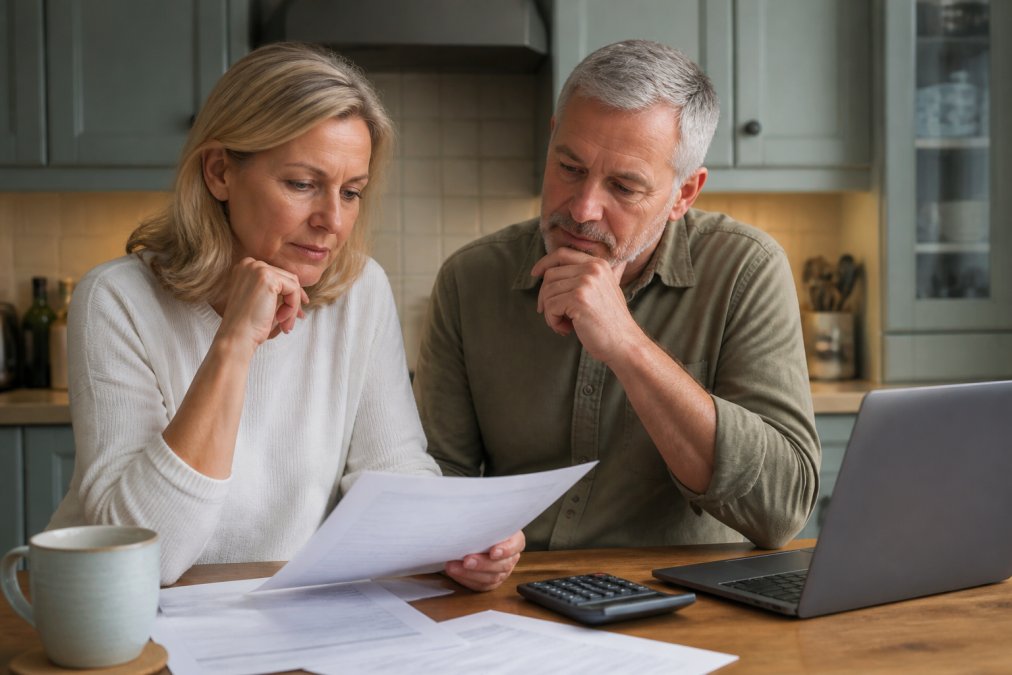
Two costs, not one: the OPG registration fee is fixed and unavoidable, while preparation costs are optional and vary widely. Never let a provider quote you a single “all-in” figure without breaking those two apart.
LPA Fee Remission and Exemption Criteria
Fee exemption and remission are the two ways to reduce the mandatory OPG registration fee, and many people who qualify never claim them. Exemption means you pay nothing at all; remission means you pay a reduced amount. The OPG publishes the exact thresholds and qualifying benefits, and because those figures are updated periodically, check the current criteria on the OPG fee exemption and remission page rather than relying on an old figure.
Who qualifies for a full exemption
You can usually claim a full exemption if you receive one of a defined set of means-tested benefits when you apply. The qualifying benefits include:
- Income Support
- Income-based Jobseeker’s Allowance
- Income-related Employment and Support Allowance
- Pension Credit (the guarantee credit element)
- Universal Credit, where your earned income is below the OPG’s stated threshold
- Working Tax Credit, where your income is below the OPG’s stated threshold
- Child Tax Credit, where your income is below the OPG’s stated threshold
- Housing Benefit
- Council Tax Reduction (sometimes called Council Tax Support)
Who qualifies for a 50% remission
Remission halves the fee. It is aimed at people on a low gross annual income who do not receive an exempting benefit. The OPG sets an income threshold, reviewed periodically, so confirm the current figure on the OPG page before relying on it.
The eligibility checklist
Work through this before you pay anything:
- Are you receiving any exempting benefit listed above? If yes, you likely qualify for a full exemption.
- If not, is your gross annual income below the OPG’s remission threshold? If yes, you likely qualify for a 50% reduction.
- Do you have evidence ready, a benefit award letter, a bank statement showing the payment, or proof of income?
- Are you applying at the same time as you submit the LPA, not afterwards?
If you can answer yes to question 1 or 2, and have evidence for question 3, you are in a strong position to claim.
How to claim, and the mistake that costs people money
A common mistake is assuming a remission claim is automatic. It is not. You must apply when you submit your LPA, with evidence such as benefit award letters. Claim after registration and you generally cannot get the fee back.
Exemption = pay nothing. Remission = pay half. Both must be claimed at the point of application, with evidence. Claiming late usually means losing the reduction entirely.
Worked example
Suppose you receive Pension Credit guarantee credit and are registering two LPAs, one for property and financial affairs, one for health and welfare. With a full exemption you pay nothing for either, saving the full statutory fee on both. On a low income just below the remission threshold, you would pay half the standard fee on each.
What remission does not cover
Remission and exemption apply only to the OPG registration fee. They do not reduce the cost of a solicitor, a will-writer service, or certified copies. If using a professional service, ask whether their fee is separate from the registration fee, it almost always is.
How to Apply for an LPA Without a Solicitor
Applying without a solicitor is entirely possible and cheapest if you are confident with forms. The OPG provides an online portal and a paper application, both accepting the same documents. Here is the full sequence, including the parts most guides leave out.
Step 1: Choose your attorneys
Decide who will act, and whether they act jointly, jointly and severally, or jointly for some decisions. Jointly means all attorneys must agree on every decision, safer, but slower and prone to deadlock. Jointly and severally means any one attorney can act alone, faster, but less oversight.
Step 2: Complete the forms
Use the online portal or paper LPA forms. Both LPAs (property and financial affairs, and health and welfare) are separate documents, with separate forms and separate registration fees. You can complete them yourself, or have a professional prepare them.
Step 3: Add a certificate provider
This person confirms you understand what you are signing and are not being pressured. They must meet the OPG’s requirements, typically someone who has known you at least two years, or a professional such as a solicitor, doctor, or registered social worker, and sign a declaration. Choosing the wrong person is a common reason applications stall. (Source: OPG fee exemption and remission page)
Call 0800 368 9770 For an Appointment →
Step 4: Get it witnessed
You, your attorneys, and your certificate provider must sign in the correct order, with witnessing. The donor signs first, then the certificate provider, then the attorneys. Each signature needs a witness present at the time, and a witness cannot be an attorney or the certificate provider.
Step 5: Register with the OPG
Submit both LPAs and pay the registration fee for each. Registration is what makes an LPA valid, an unregistered LPA cannot be used. You can register immediately after signing, or wait; there is no deadline, but an unregistered LPA is useless if capacity is lost suddenly.
Step 6: Wait for the statutory waiting period
This is the step most guides skip. Once the OPG receives a correctly completed application, it notifies the people entitled to be told, typically the donor and any attorneys not applying, who then have a set period to object. The OPG will not register until that period passes.
Step 7: Receive the registered LPA and certified copies
When registration completes, the OPG returns the registered LPA. You can then order certified copies, which banks, pension providers, and hospitals often require instead of the original. Ordering several at once is cheaper than one at a time later.
What a rejected application actually costs
The most common reason DIY applications get rejected is a signing or witnessing error, not a legal problem. The OPG must reject anything failing its formal requirements. When that happens, you do not get the registration fee back automatically, you generally correct the form and pay again.
Signing order matters. If your attorney signs before you do, or a witness is missing, the OPG will reject the document and you will need to re-register and pay the fee again.
The time-value cost of DIY
DIY saves the preparation fee but costs your time. Completing two LPAs, arranging a certificate provider, coordinating signatures from attorneys who may live elsewhere, and chasing the OPG if something goes wrong can take many hours over weeks. If your time is valuable, or family members are scattered, a professional service is often cheaper than the hours you would spend.
Before you submit, photograph every signed page and keep the images. If the OPG queries the application, you can prove what was signed and when, which speeds up any correction.
The Benefits of Professional LPA Services
Professional LPA services remove the administrative risk behind most rejections: a provider prepares the documents, checks the signing and witnessing sequence, and submits correctly the first time. The practical benefits are straightforward:
- Fewer rejected applications. Correct preparation and witnessing reduce the chance of a costly re-submission.
- Expert advice on attorney responsibilities. You get guidance on how attorneys should act and what safeguarding duties apply.
- Home visits. Arrange My LPA offers free home visits nationwide, which suits people who find online forms difficult or who want documents explained face to face.
- A complete service. Arrange My LPA handles preparation through to submission, so you are not chasing the OPG yourself.
Ask any provider whether their fee covers both LPAs and whether it includes the OPG registration fee, or whether that is paid separately. Many quotes only cover preparation, so the total is higher than it first appears.
DIY vs. Professional vs. Will-Writer Services: A Comparison
The three routes differ mainly in who carries the risk of an error. DIY is cheapest but puts all responsibility on you; professional and will-writer services cost more but shift the preparation risk to the provider.
| Route | Who prepares it | Main cost driver | Best for |
|---|---|---|---|
| DIY (online portal) | You | OPG registration fee only | Confident, straightforward cases |
| Will-writer service | Trained will writer | Fixed preparation fee | Most people wanting guidance |
| Solicitor | Qualified solicitor | Higher fixed fee | Complex estates or disputes |
| Arrange My LPA | Professional service | Low-cost fixed fee | Home visits and full handling |
Adults aged 50-75 who want expert-led preparation, free home visits, and a complete application service without the higher cost of a high street solicitor.
Post-Registration Hidden Costs to Watch For
Registration is not always the final bill, and this is where most cost guides stop short. Several costs can appear afterwards.
- Certified copies. Banks, pension providers, and hospitals often want a certified copy rather than your original. Each copy carries a fee, and you may need several.
- Solicitor certification. If a professional certifies copies, expect a charge per document.
- Updates and amendments. If your circumstances change and you need to make a new LPA, you pay the registration fee again.
- Storage. Some providers charge for secure storage of the original documents.
- Deputyship, if you never made an LPA. Without an LPA, your family may need to apply to the Court of Protection for a deputyship order. This is far more expensive than an LPA and involves ongoing supervision fees, which is why arranging an LPA in advance is the cheaper path.
Frequently Asked Questions
Can I do an LPA without a solicitor?
Yes, you can apply for a lasting power of attorney without a solicitor. The Office of the Public Guardian provides an online portal and paper application forms. You will need a certificate provider to confirm you understand the document and are not being pressured. While DIY is cheaper, errors in witnessing or completion can lead to rejection. Professional services can help ensure your application is correct first time.
Are there any exemptions or remissions available for LPA registration fees?
Yes, the Office of the Public Guardian offers fee exemptions and remissions based on income and benefits. If you receive certain means-tested benefits, you may qualify for a full exemption. If your income is low but above the exemption threshold, you may get a 50% remission. You must apply for these when submitting your LPA and provide evidence such as benefit award letters or bank statements.
What is the difference between DIY LPA costs and using a professional service?
DIY LPA costs involve only the mandatory OPG registration fee, plus any printing or postage. Professional services charge an additional fee for document preparation, advice, and submission. The trade-off is cost versus convenience and reduced risk of rejection. Professional services often include home visits, certificate provider arrangements, and support if the OPG queries the application.
How much will a solicitor charge for a lasting power of attorney?
Solicitor fees for an LPA vary widely depending on the firm, location, and complexity. Some charge a fixed fee per LPA, while others charge hourly. Fees typically exclude the OPG registration fee and VAT. It is important to ask for a full breakdown before instructing a solicitor. Compare quotes from several providers, including professional will-writing services, to find the best value for your needs.